


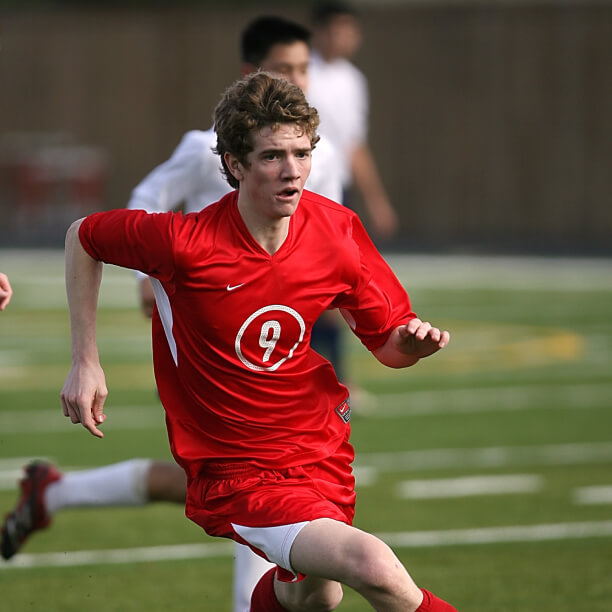
Families and supporters turn a soccer fixture into a community gathering. Their encouragement, hospitality, practical help, and example can strengthen Catholic Parish League Phoenix—provided the touchline remains safe, respectful, and welcoming.
The people beside the field often shape the atmosphere as much as the players. A supportive touchline can help teams compete with freedom; a hostile one can turn an ordinary recreational match into an experience families do not want to repeat.
Encouragement without control
Supporters can celebrate effort, teamwork, and good play without coaching every touch or criticizing every mistake. Players need space to listen to the coach, communicate with teammates, and make decisions.
Negative commentary directed at individual players—especially comments about ability, appearance, faith, family, or background—has no place in a parish league.
Respect for officials and opponents
The referee should not have to manage the crowd while managing the match. Questions about decisions belong with the captain or coach through the proper procedure.
Visiting families should be treated as guests. Friendly conversation, clear field information, and shared concern when someone is injured can transform rivalry into fellowship.
Practical ways families help
- Transportation and reliable arrival support.
- Water, shade, and appropriate preparation for Arizona conditions.
- Field setup, cleanup, and hospitality when assigned.
- Photography or media assistance only under league permission rules.
- Welcoming new players, spouses, children, and visitors.
A visible example for children
Children notice how adults respond to winning, losing, disagreement, and disappointment. A Catholic sports environment should show that enthusiasm and self-control belong together.
Next step
Review the venue and spectator expectations before attending, and help make every match a place where families from both teams feel welcome.
When a touchline concern arises
A family member who witnesses abuse, unsafe behavior, or a serious boundary problem should use the league’s designated reporting process rather than confronting players or officials during active play. Clear escalation protects the match and gives the concern a better chance of being reviewed fairly.